
When I was a kid, one of my favourite activities was drawing track plans. (Yeah, I know – but I was an only child and didn’t have a life.) I went through entire pads of graph paper designing layouts that ranged from the impractical to the impossible.
Most of these were incredibly ill-informed and would have made for terrible model railways. The problem was, I didn’t really understand how railways worked.
That changed when I acquired a copy of Track Planning for Realistic Operation by John Armstrong.
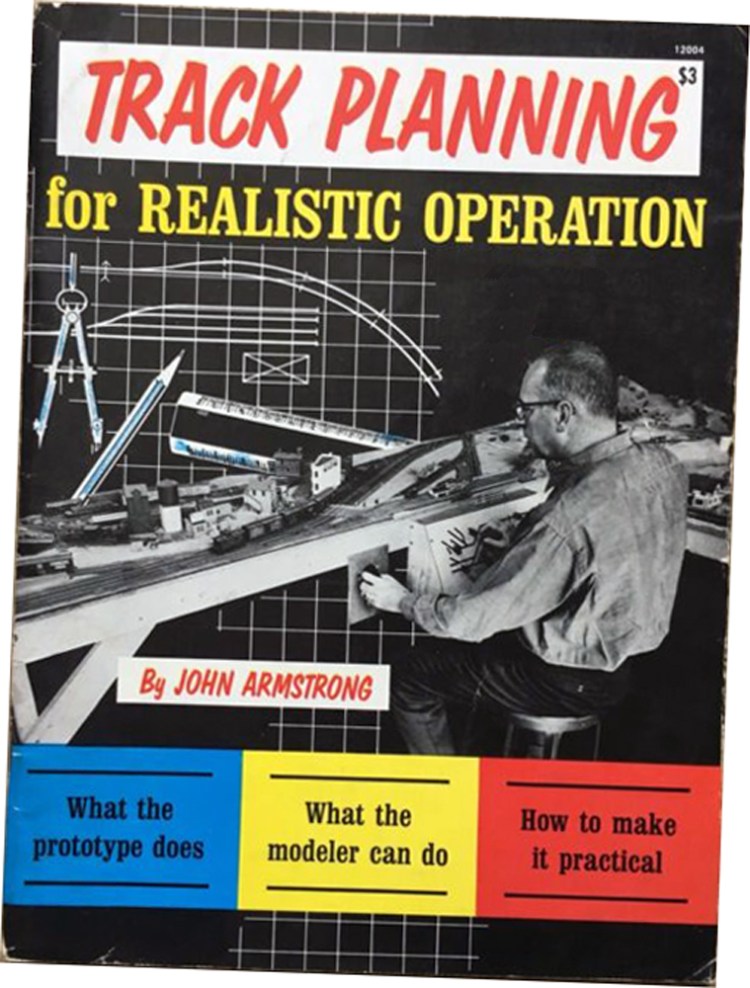
This book was a huge influence on my hobby. I devoured it – to the point that, after one week of ignoring just about everything else in life, my mother confiscated it from me and threw it out! (She relented: We had a talk about how I still had to do my chores, homework, etc., and she bought me a replacement copy. I still have that one, although the cover disintegrated a long time ago.)
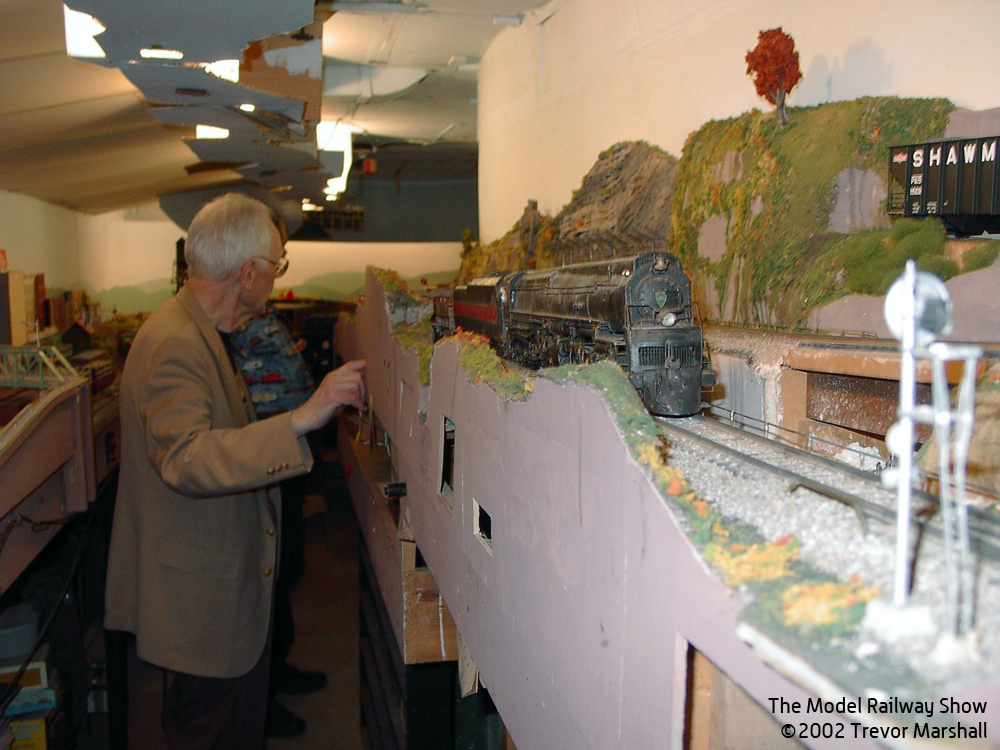
I was therefore delighted – no, thrilled – when I was one of four guests invited to attend an operating session at John’s house while taking part in a convention in the Washington DC area in 2002. One of the other guests was another hobby hero of mine – one-time Model Railroader editor Andy Sperandeo. (Both John and Andy have passed away – John in 2004, and Andy a year later.)
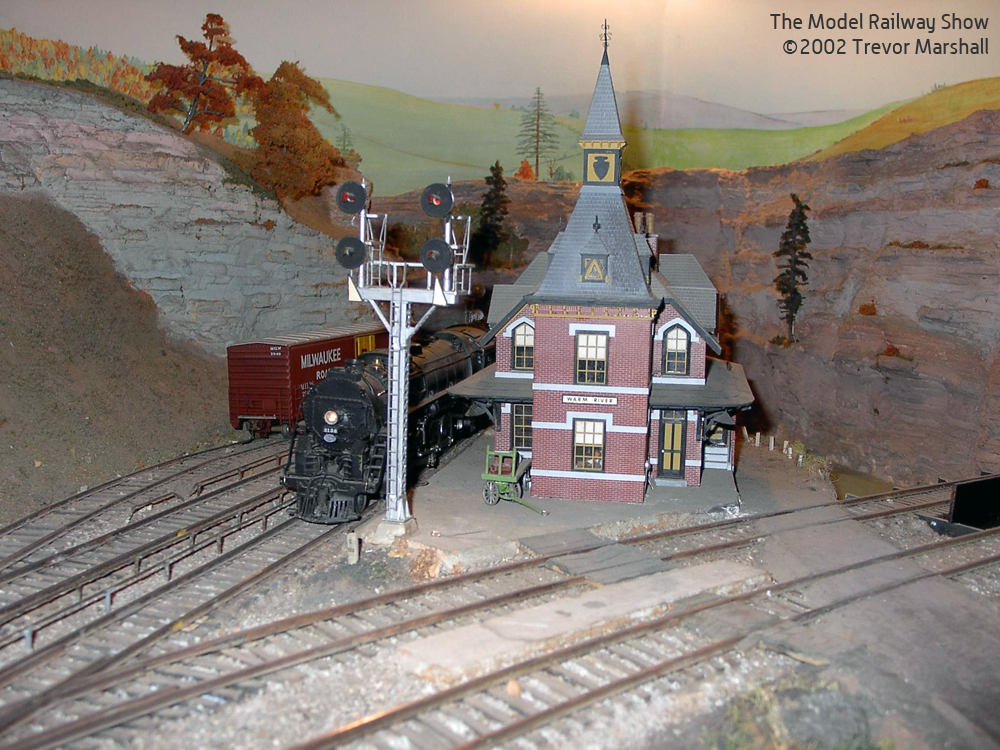
John’s layout had not been run in a while before our visit – so understandably there were a few times when a locomotive needed a little push to get over some dirty track, or the 0-5-0 was needed. But it was wonderful to spend time with him and see – first hand – a layout that had been so important to my hobby early on.
Here are some photos I took that day. (I think I shot them with my first ever digital camera and I apologize for the quality, but I’m so glad I took them.)




A special thanks to my friend Paul Dolkos for making this happen. It’s an experience that I’ll treasure for a lifetime!
 The Model Railway Show