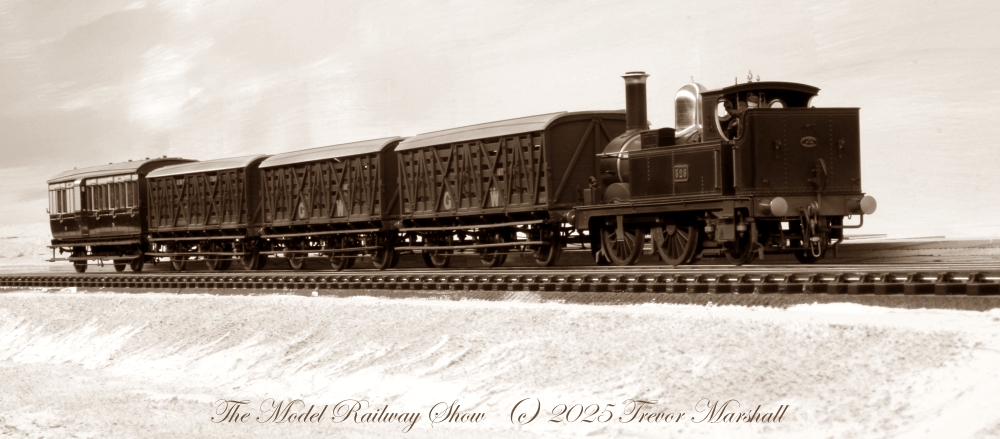
I’ve started planning a schedule of trains for Bydemill – my 7mm scale layout depicting the Great Western Railway in the Edwardian Era. As I do this, I’m conscious of the need to balance a conflict between expectations and reality.
The expectation: When people visit a layout, they want to engage in challenging operating sessions with interesting train moves. That’s where the fun is.
The reality: On a small GWR branch line, a typical real schedule would be pretty dull to operate.
This presents a problem – especially for those steeped in North American operations.
The typical North American-based layout is dominated by freight trains that switch numerous private sidings. Passenger trains are often little more than moving scenery – or an obstacle the freight crews must work around.
But on a GWR branch like the one I’m modelling, goods traffic into and out of the terminal would be pretty modest. A typical small GWR branchline terminal has minimal facilities for goods trains. This is reflected on Bydemill. Like Highworth, the real location that inspired it, Bydemill has a one-track goods yard (team track in North American parlance), with a kickback track to the goods shed (freight house). Reviewing the time table for Highworth reveals but a single goods train per day.
The bulk of the schedule consists of passenger trains. There are several per day – which is good news for operators except that they all adhere to the same operating pattern: The train arrives, the locomotive runs around the passenger cars, the train leaves. It’s efficient – but for a model railway, the repetition would quickly become boring.
I want to give my local crew a more varied operating experience – and one that’s more in keeping with their expectations when they visit layouts. So I’m trying out different operations in which passenger trains conduct a few goods train moves. They’re not necessarily realistic, but they are fun.
Here’s a possible operating sequence for the first train of the day, which delivers the morning newspapers and hauls away milk for forwarding to a big-city dairy…

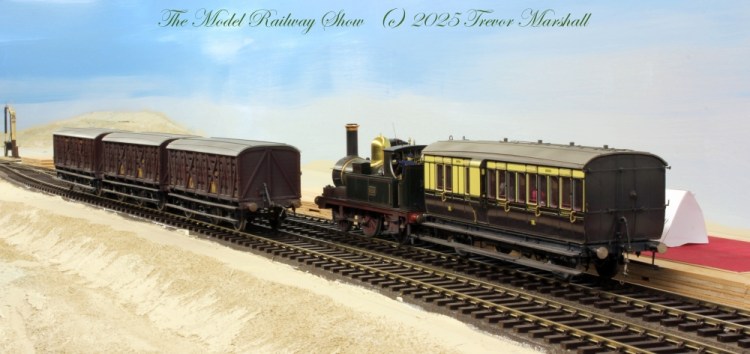


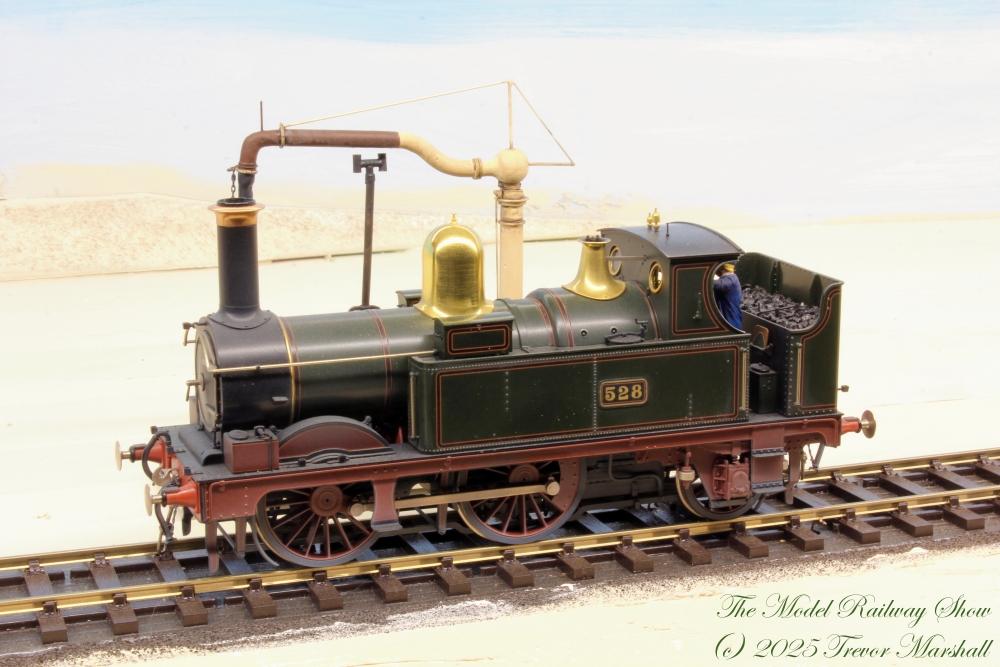

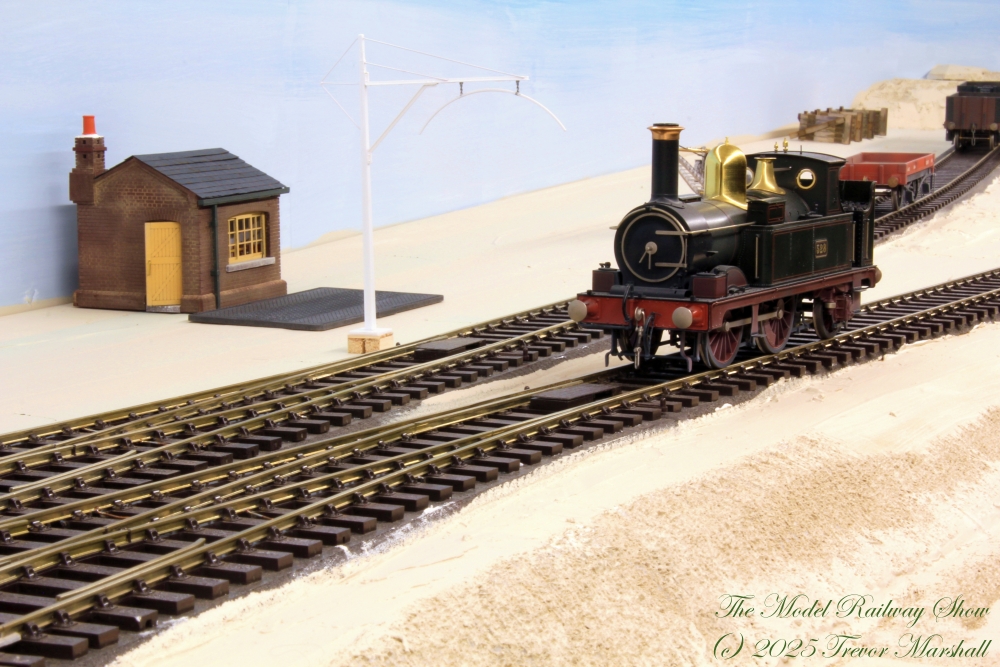
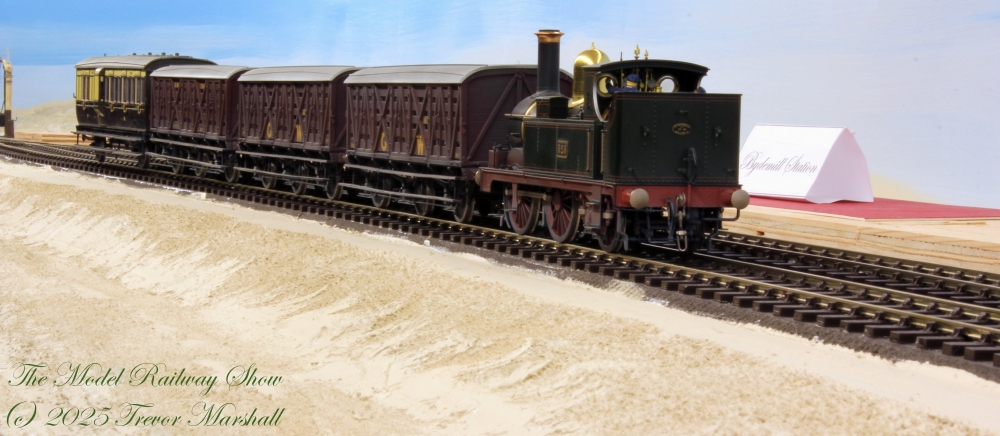
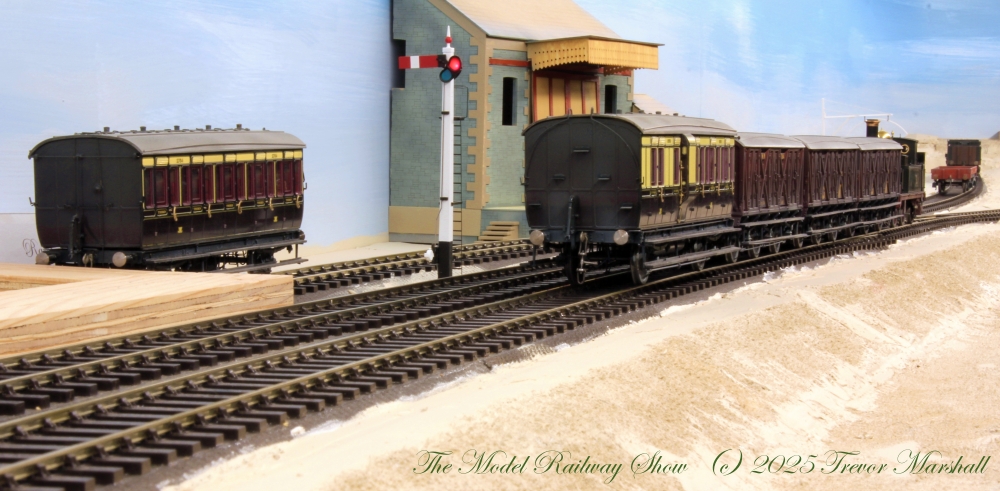


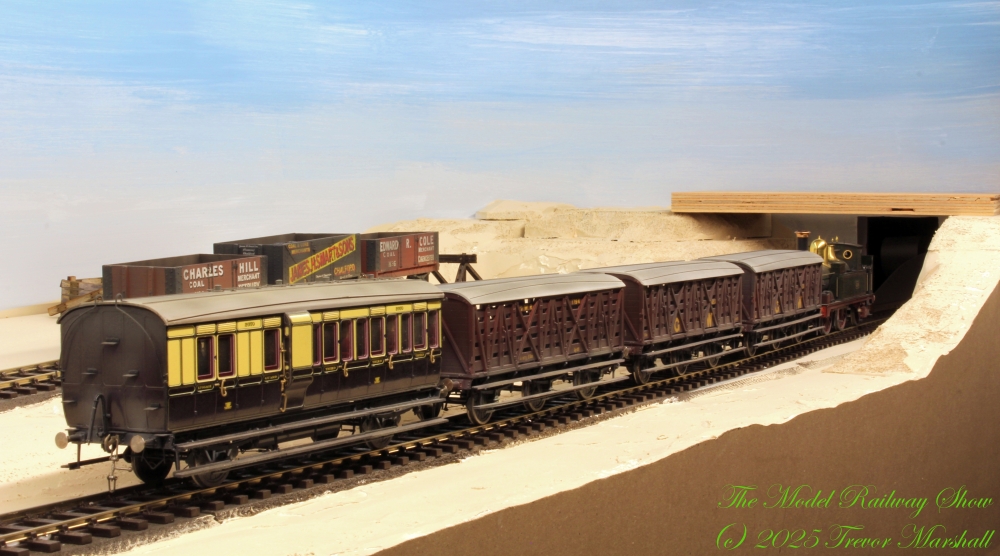
Are these moves realistic? Not at all. It’s far more likely the Siphons would’ve been in the arriving train, with a brake-3rd at each end to avoid having to re-order the consist.
But this little bit of unlikely business was most enjoyable to conduct, so maybe it’ll remain part of the schedule. That will depend in part on figuring out how the Siphons end up in Bydemill the day before – but that’s something to ponder another day…
 The Model Railway Show