As I test out various possible trains to add to the schedule for Bydemill – my 7mm scale layout depicting the Great Western Railway in the Edwardian Era – I expected some to require several iterations before they worked. The morning mixed train was a case in point. As I shared last week on this site, my first attempt at running this train turned up some problems I needed to address. I’m pleased to report my second attempt – chronicled here – went much better.
The solution came down to adding some rules about what types of goods traffic could go into the mixed train.
During my first attempt, I realized the amount of work required to switch some spotting locations – the coal dealer, the goods shed, and the cattle dock – would consume too much time for a mixed train that must keep to a schedule. I wanted the train to arrive in Bydemill, do a little bit of switching, and then be ready to leave within approximately 15 minutes.
So I decided only general goods traffic headed to the yard would be added to this train. Traffic for the other locations (as well as additional traffic, if any, for the yard) would be marshalled in the dedicated mid-afternoon goods train, which has more time to do its work.
That worked really well, as this series of photos demonstrate…
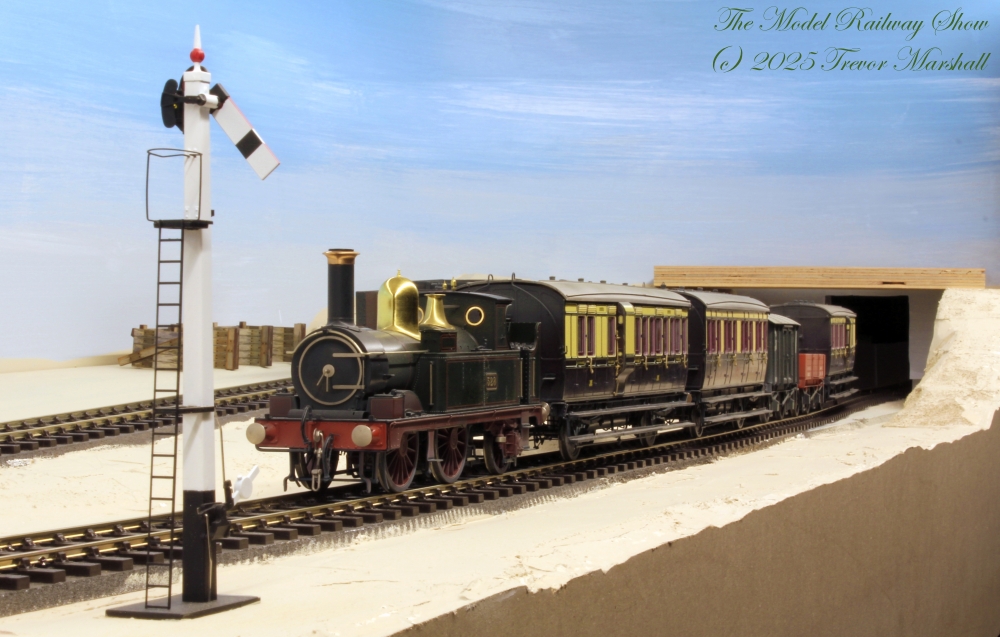
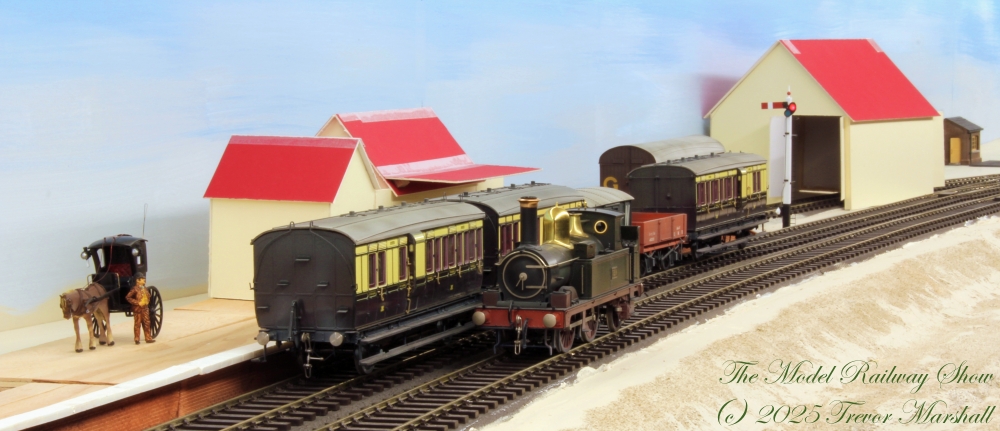
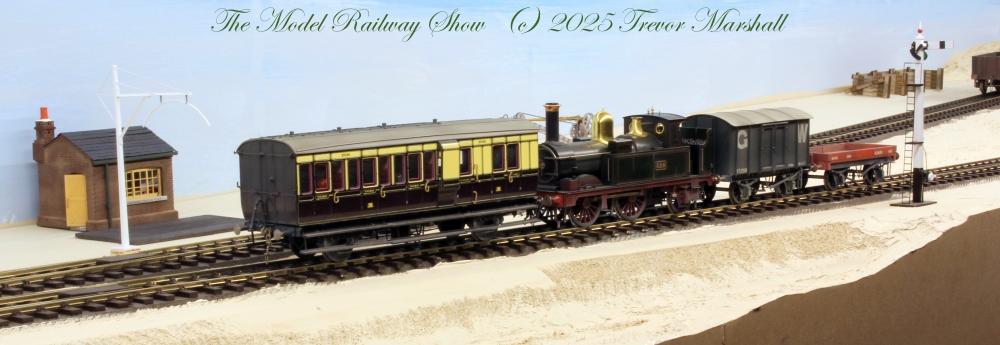
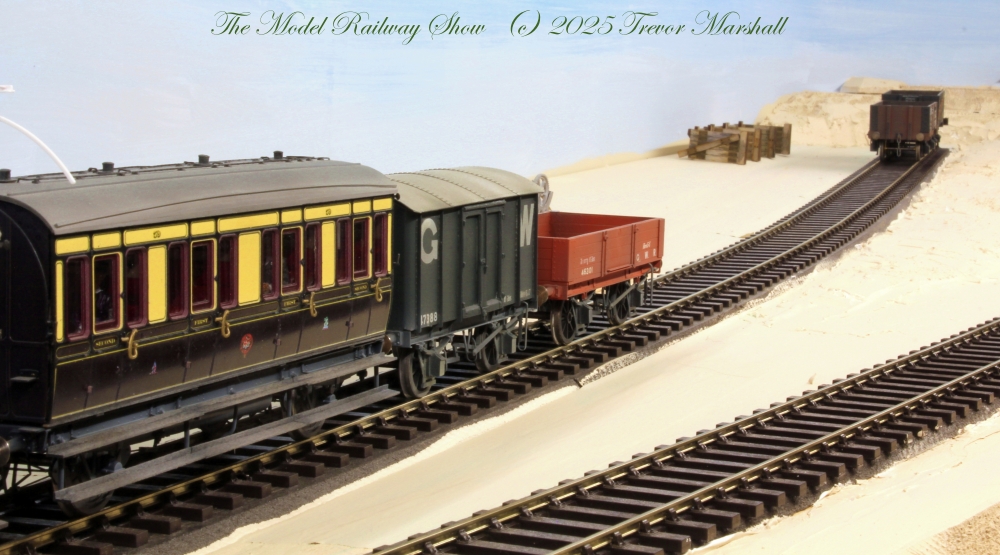
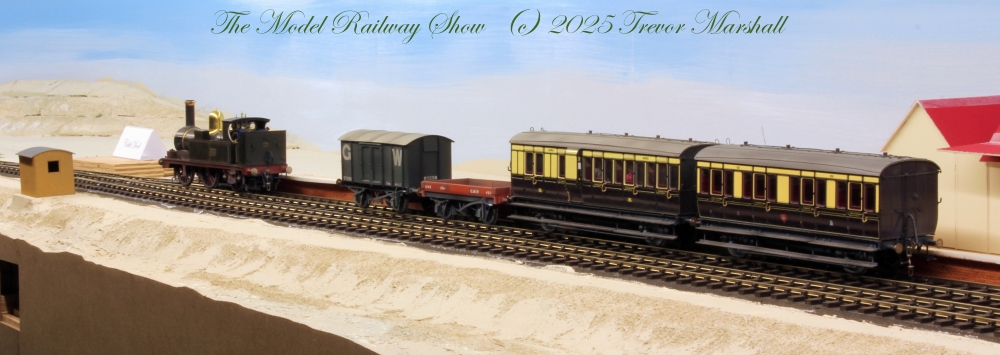
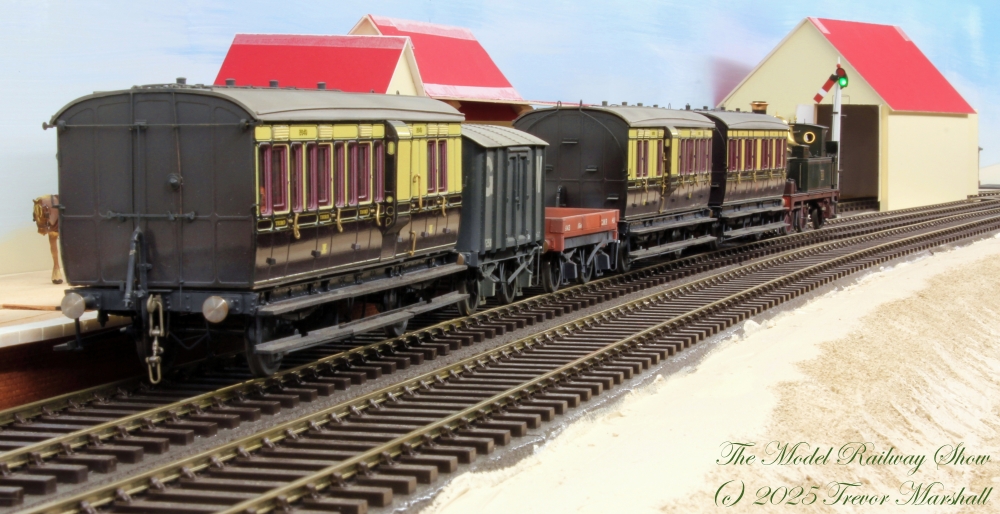
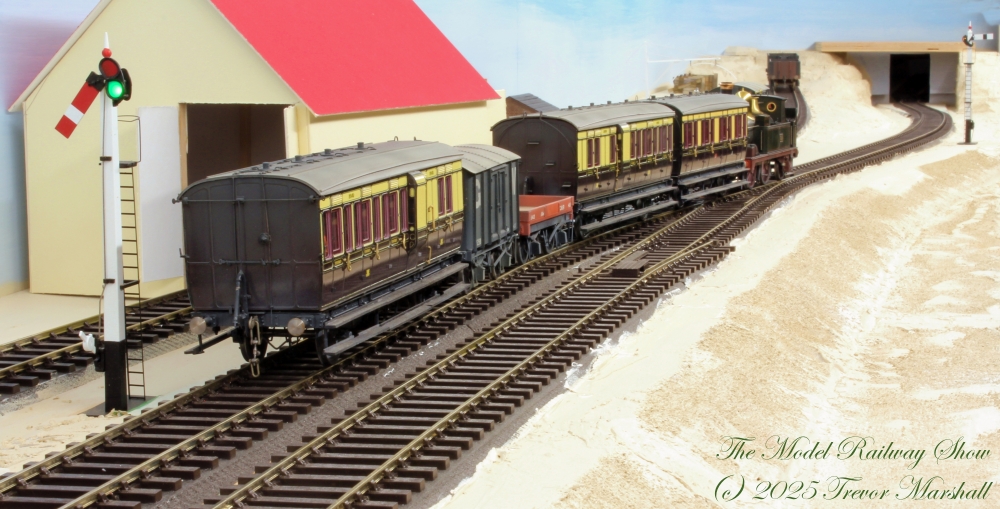
The morning mixed approaches Bydemill with a Brake-3rd, a 1st/2nd, two goods wagons for the yard, and a final Brake-3rd.
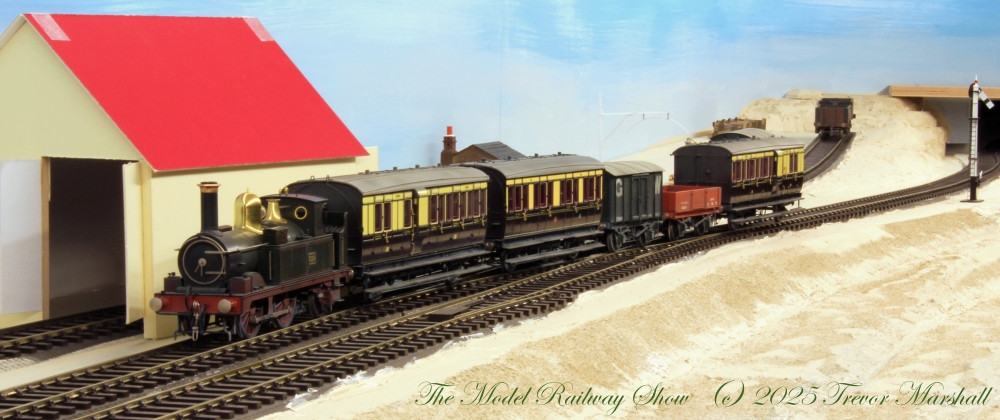
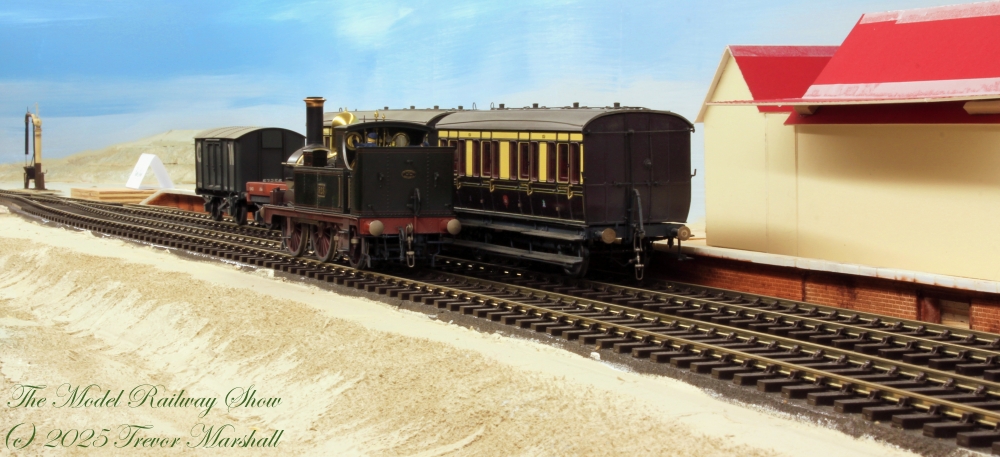
The train crosses through the yard throat and passes the goods shed as it heads for the station.
As always, the first stop is at the platform, to discharge passengers.
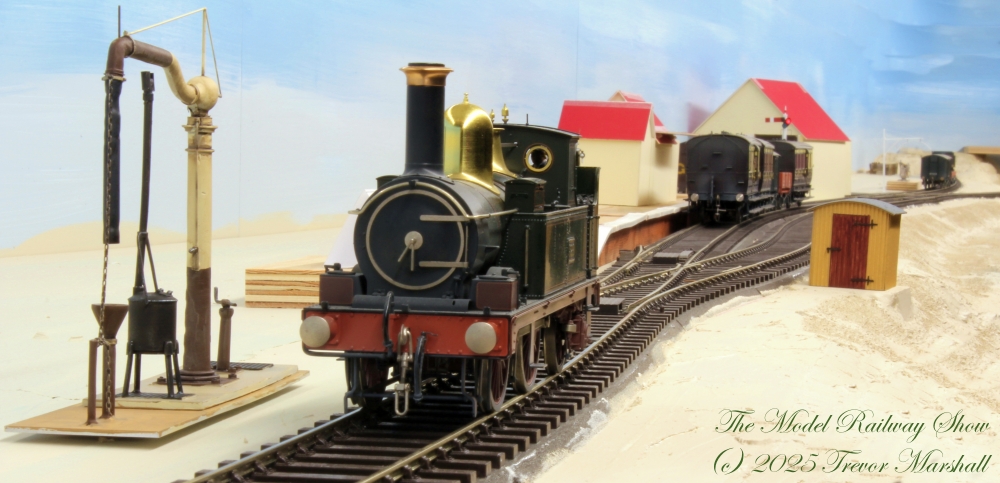
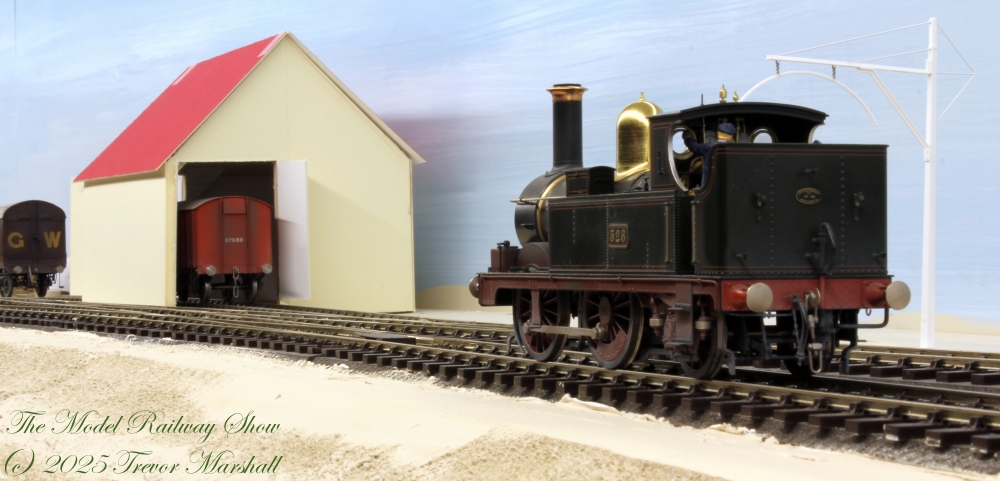
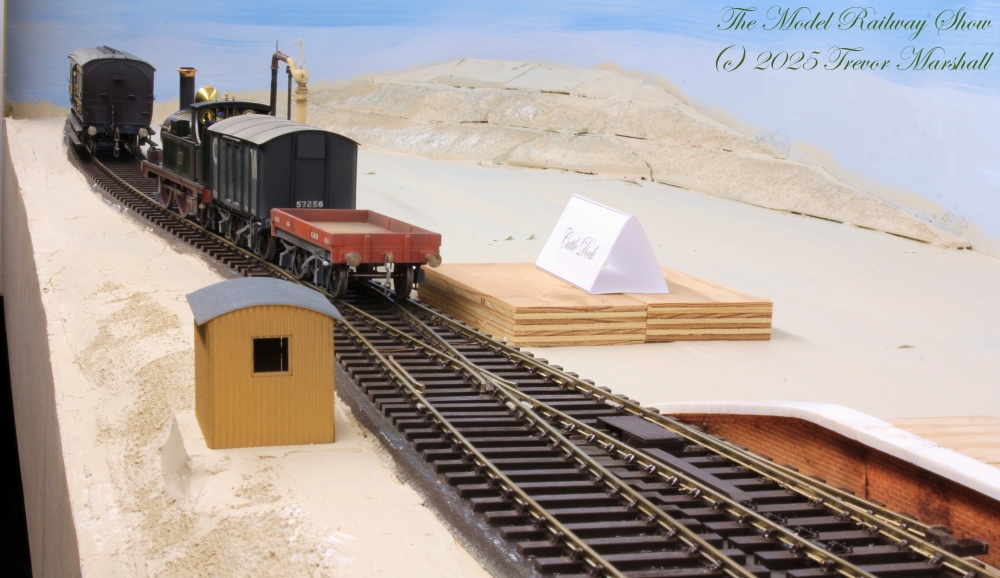
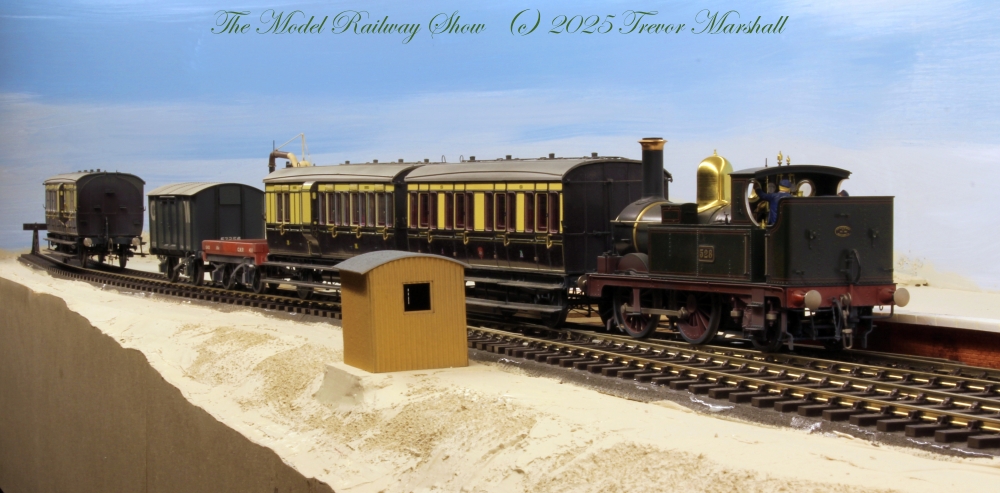
The crew uncouples from its train and runs the locomotive ahead into the tail track. This is a good time to pause and take on water.
The locomotive backs up the loop…
…and back onto the main track…
… then completes its runaround of the consist. But once clear of the goods yard switch, the crew reverses direction…
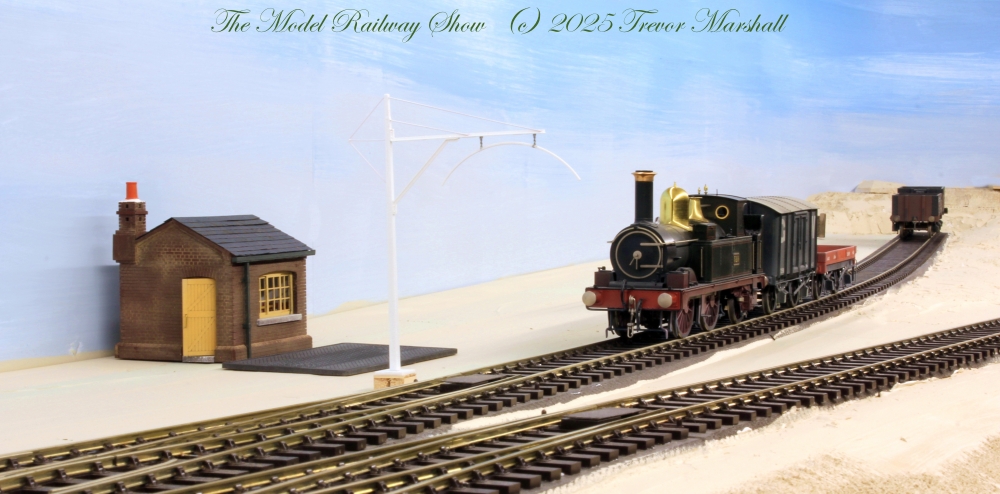
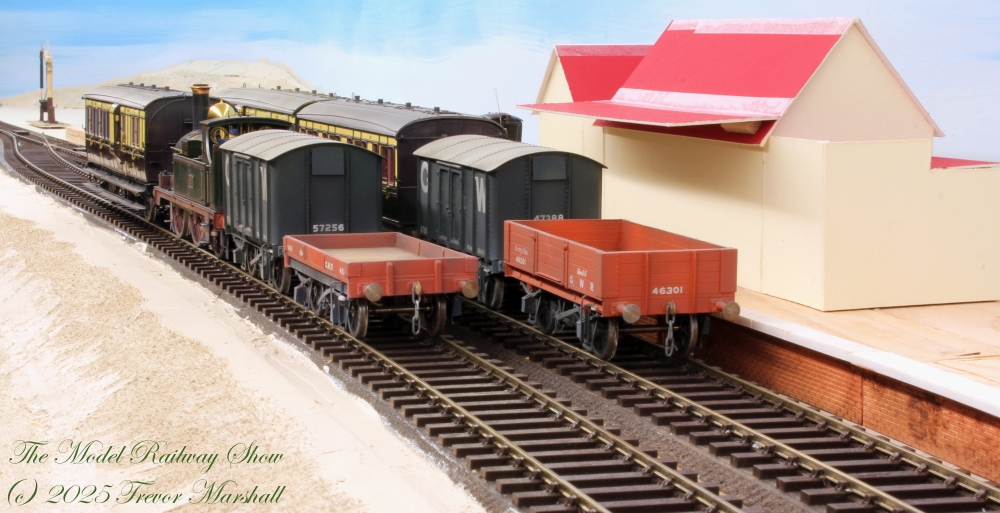
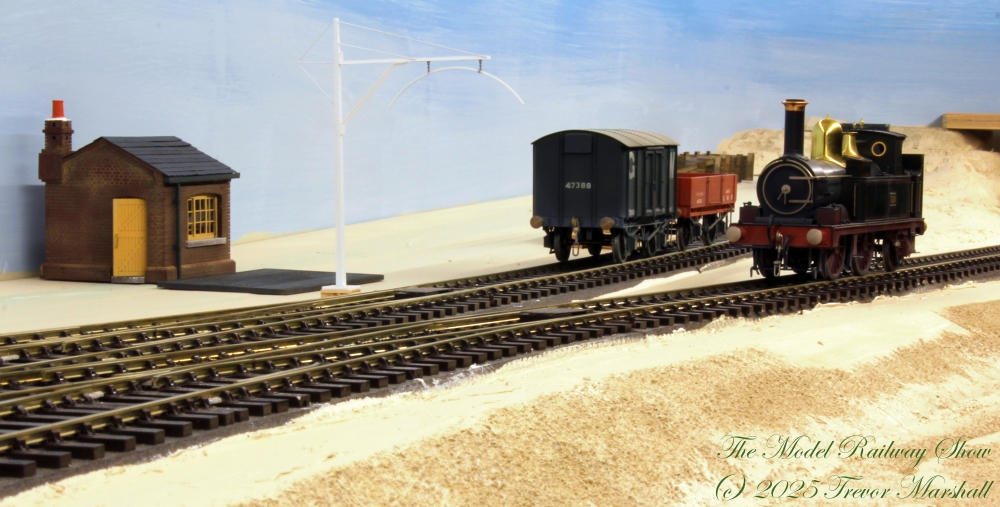
… and backs into the yard to collect the wagons spotted there. Note there is a coal wagon at the far end of the track: The crew will leave that for the afternoon goods train to handle.
The crew hauls the two wagons out of the yard, and couples onto the brake-3rd. This coach is uncoupled from the rest of the inbound train.
The crew then backs through the yard throat…
… and runs down the loop track…
… to the tail track. Here, the coach is uncoupled, then the goods wagons are propelled up the main track…
… and attached to the tail end of the inbound train. Note the inbound goods wagons are now in position to be shoved into the goods yard.
The inbound goods wagons are spotted in the yard.
All that’s left to do is build the outbound train. The two outbound wagons – plus two coaches – are pulled back to the platform. Here, the crew drops the train and continues forward into the tail track.
Once again, the crew runs up the loop, past its train…
… and onto the approach track.
With track switches lined for the platform, the locomotive pulls ahead and couples onto the lead coach.
The train is then shoved forward to collect the brake-3rd that was left in the tail track.
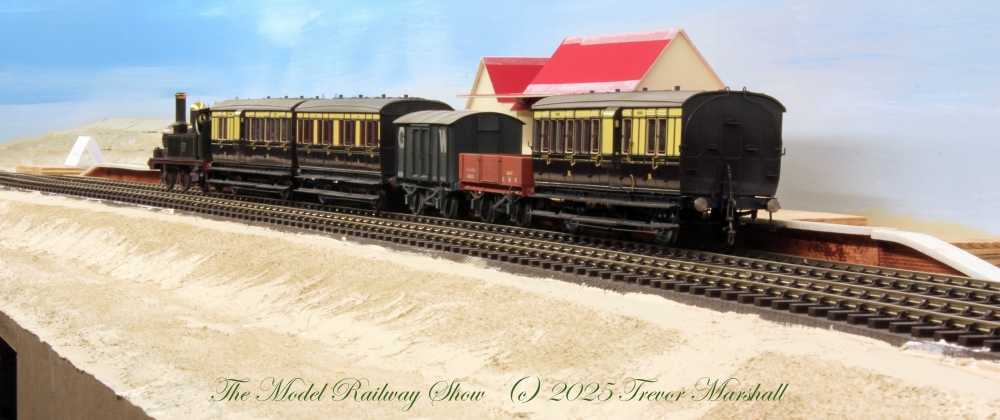
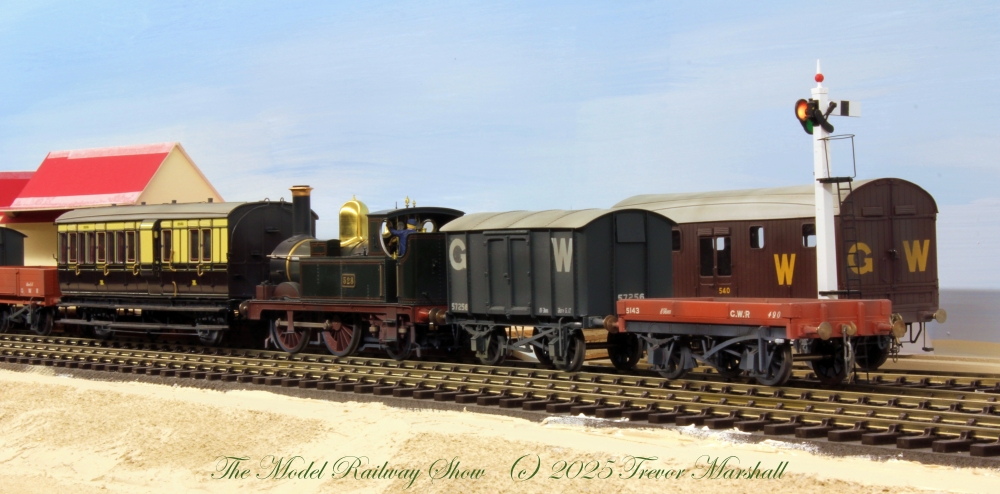
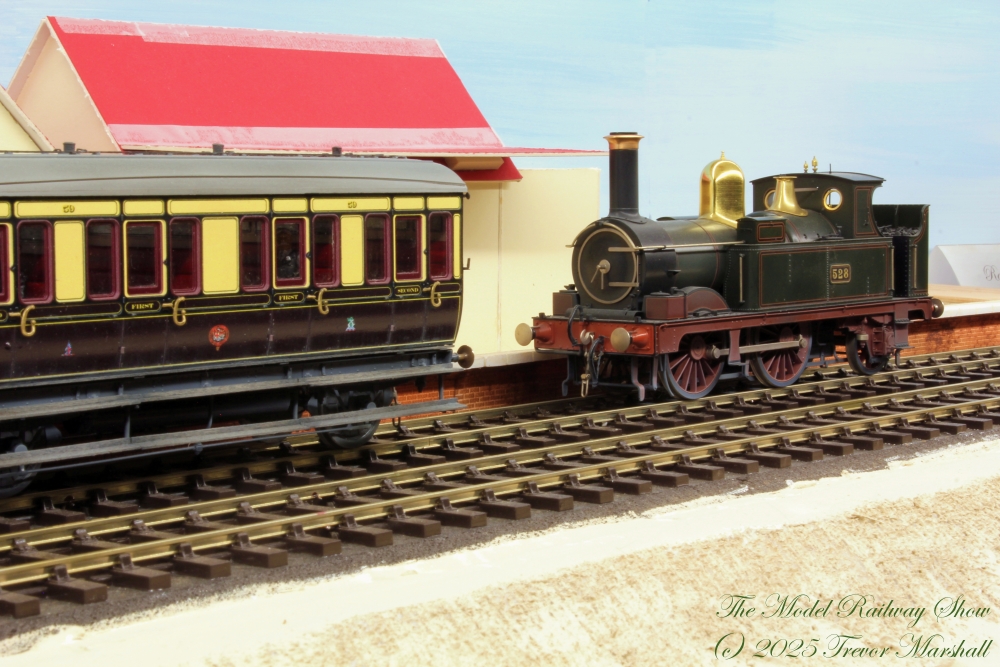
With the outbound train assembled, the crew pulls forward to the platform so passengers can board. The starter signal has already been pulled, indicating all switches are lined and locked and the outbound train has been cleared for departure.
Its work completed, the train leaves Bydemill for Swindon on its scheduled time.
This sequence went much better than my first attempt at running a mixed train, and the restrictions on what wagons can be included in the consist will allow it to finish its work in a reasonable time while still providing plenty for the afternoon goods train to do.
I’m pleased with how the schedule is filling out.
(There will eventually be a number of posts about the trains on the Bydemill schedule. You can find all of them in the Bydemill Operations category.)
Lifelong model railway enthusiast and retired amateur shepherd who trained a border collie to work sheep. Professional writer and editor, with some podcasting and Internet TV presenting work thrown in for good measure.
View more posts



 The Model Railway Show