
I like self-propelled passenger equipment and ever since I started building Bydemill – my 7mm scale, Edwardian era Great Western Railway branch line layout – I’ve hoped to add one of the GWR’s delightful steam railmotors to my roster. This week, I finally realized my ambition when I took delivery of GWR 68, a second-hand model I found listed on the website of a UK dealer I follow.
Before you could say “add to cart”, I did, and it landed on my doorstep just two days later. With light to no patronage on Sundays, the GWR can now substitute cost-saving modern technology for Bydemill’s conventional steam-hauled passenger train…
My second-hand model was nicely assembled from a DJH kit. I don’t know who the builder was, but they included a plaque on the underside:
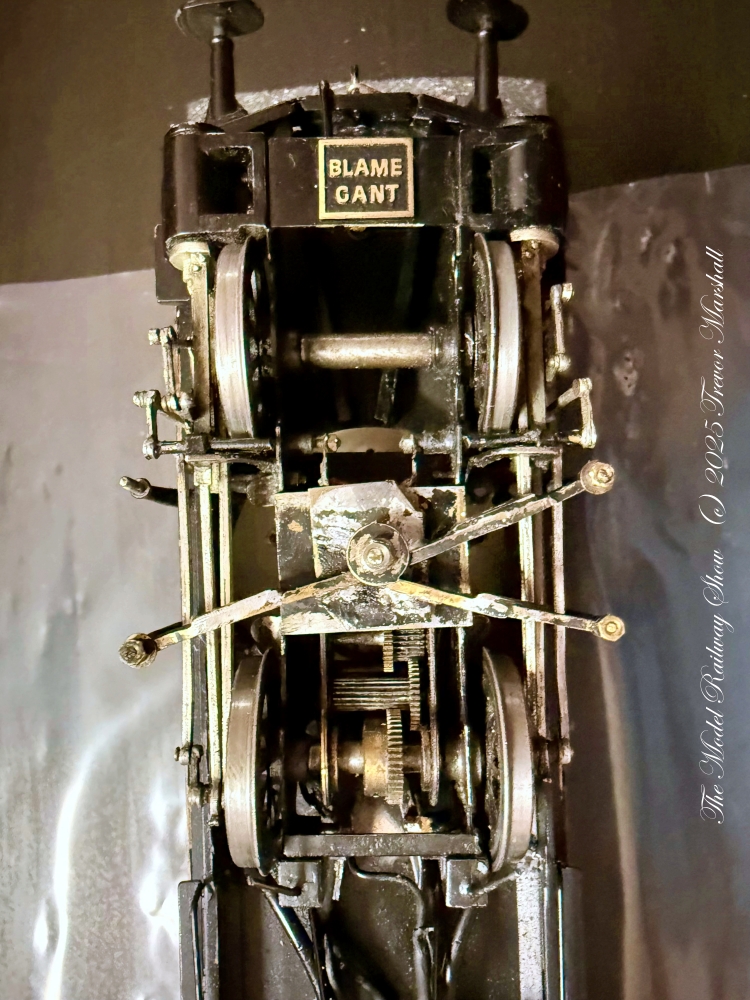
I had to do some repair work – which sometimes happens when one ships a kit-built model across the Atlantic. As evident in the above photo, one of the four supports for the motor had come unsoldered. But it was in the box and I was able to solder it back in place with a minute or so of work. It’s missing a small nut and it’s either a metric or BA size – I’m not sure which. I will have to figure that out, and source one.
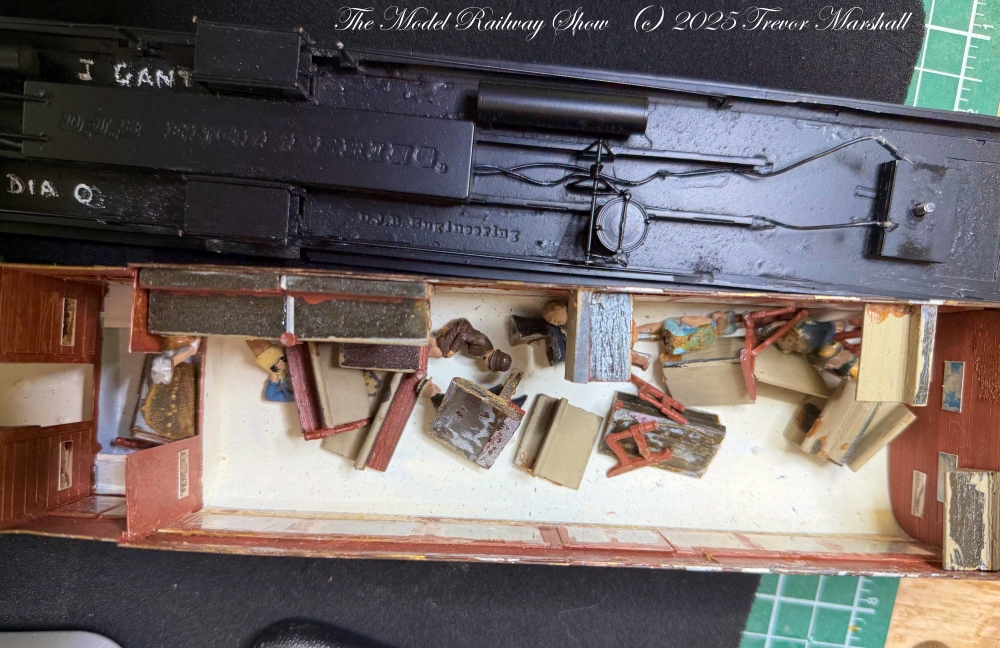
The bigger mess was found in the passenger compartment, where a number of white metal figures and seats became unglued. Fortunately they did not damage any of the windows. I re-glued the seats but didn’t bother adding the additional passengers: I’ll only use the railmotor on lightly patronized schedules on my branch.
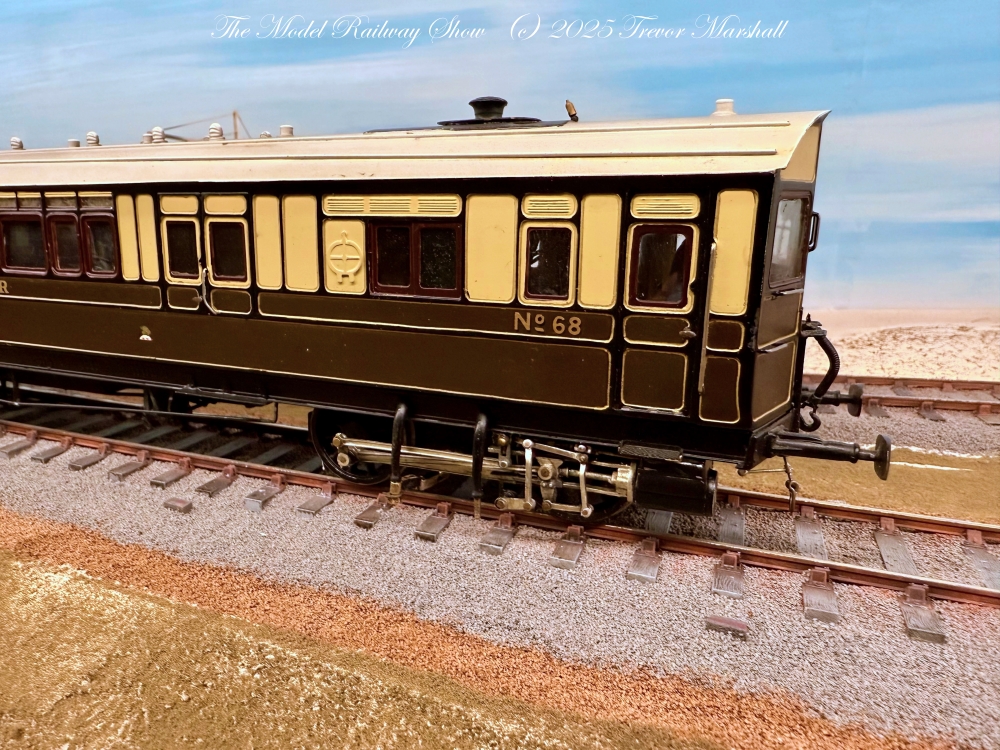
While there were some minor repairs to make, overall the model was in good shape. The paintwork is quite nice on it – and in a scheme I have tried and failed to paint myself, so I appreciate the work that went into it.
I’m also impressed by the mechanism, which is built around the Portescap motor with reduction gearing. It runs well, and the use of a bevel gear on the motor shaft instead of a worm means it’s free rolling, which is cool.


I lightly lubricated the mechanism and cleaned the wheels, then added DCC+Sound using a Loksound V5 and a GWR steam railmotor sound package from Wheeltappers.
This is a massive model – 20.5″ over the buffers, which makes it a full 3″ longer than the Flying Banana and 2.5x the length of the four-wheel coaches that comprise a typical passenger train on the branch. It’s also quite tall, which required me to enlarge the hole through my backdrop to staging by about 1/8″.

This is actually my third attempt to add a steam railmotor to Bydemill. I have bought two kits – by DJH and Scorpio. Both were secondhand and have some issues which moved them to the bottom of the “to build” pile.
I suspect now that I have a steam railmotor, Dapol or Heljan will announce them in 7mm scale – because everyone who has been in the hobby for any length of time knows that’s how it works. If that’s the case, “you’re welcome” – and yeah, I’ll place an order. In the meantime, I’ve got Sunday service to and from Bydemill covered.
 The Model Railway Show