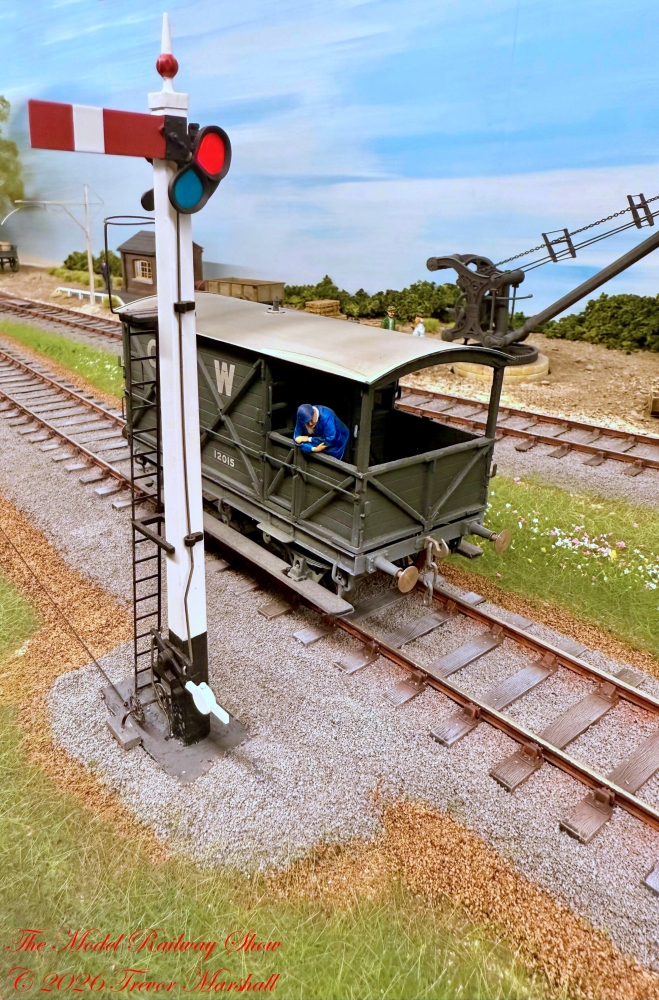
Years ago, a famous railway modeller popularized a phrase that has stuck with me:
“It’s no fun if the trains don’t run”.
Derailed rolling stock and stalled locomotives quickly destroy the illusion we’re trying to create when we host an operating session. Fortunately, zero derailments and zero stalls is a goal that’s easier to achieve than ever. Here are some of the things that work for me:
- I start by standardizing on good wheelsets – from a single supplier if at all possible. All coaches and wagons I use on Bydemill are fitted with Slater’s wheelsets, with compensation fitted to axles where the kit did not include it. (Similarly, all my S scale North American equipment rides on semi-scale wheelsets from Northwest Short Line.) Wheels and rail form a system so it’s important that the wheels are of as consistent a profile as possible. Despite industry-wide standards, this is often not the case when mixing wheels from various manufacturers.
- Standardizing on good couplers is also a good idea. Poorly designed or installed couplers can force equipment off the rails.
- Any newly finished track will have issues. As I build and wire track, I run trains – lots of trains – and make note of any problems. I then prioritize these problems and fix them before building any more layout. Push pins or a photo with one’s phone is a good way of remembering the location and nature of the problem. A notepad can be used to describe the problem in detail and note the equipment involved.
- I wire every rail, and use power-routing to every turnout frog. And wherever possible, I include a stay-alive circuit with every DCC decoder I install.
- I run trains regularly: Nothing keeps a layout working well like being operated frequently. And if the layout has been sitting for a while, I throw all the turnouts before starting a session to make sure they’re working properly.
Those decisions have paid off for me. Once I’ve tuned my track after building it, I rarely have an issue. With the exception of operator error (eg: running against a switch), I have had fewer than a dozen derailments on any layout I’ve built in the past 20 years. That’s not a brag: It’s a fact, meant to inspire you. Zero derailments doesn’t take engineering talent (or I would not be able to achieve it). A commitment to addressing problems promptly and completely is 95 percent of the solution.
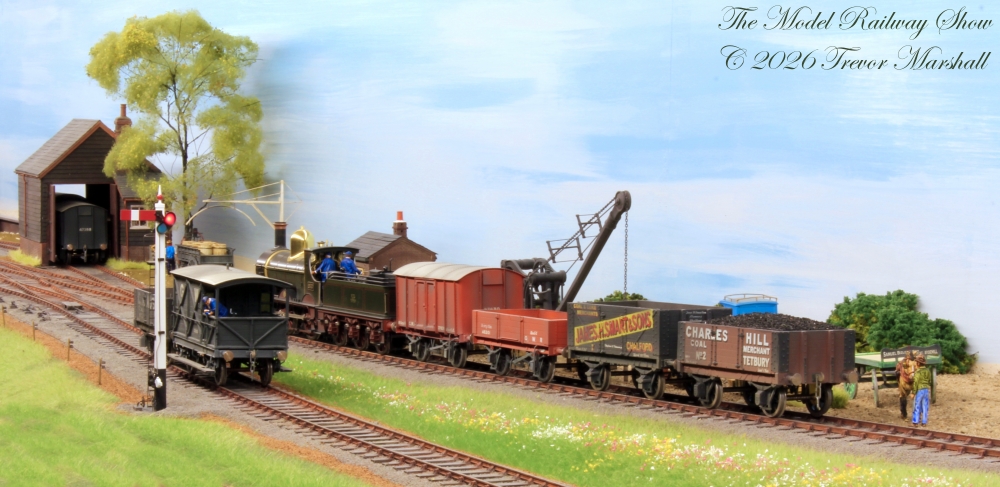
There’s another important factor, which is driven by layout design: I only build layouts that I can maintain.
If I’m having problems with what I’ve already built, I don’t build more until I fixed the issues.
If I can’t keep on top of the issues, I reassess my plan with the goal of simplifying it. Removing track and switches is a guaranteed way to reduce how much maintenance a layout requires.
If, after working to address the issues, you still can’t achieve zero derailments and zero stalls on what you’ve already built, you’ve probably built too much.
Consider eliminating track – or entire townsites – and devote more space to the track you keep. Make the turnouts larger – move up from a number 4 or 6, to an 8 or 10. Make the curves broader – add 6-12 inches to your minimum radius. Make the distances longer – extend the plain track mainlines between your remaining switching areas.
Your operation will not suffer: Even a simple track design will keep operators entertained. In fact, reducing track will make operation more challenging: It cuts away the flab, leaving only track that’s necessary. Again, prototypes provide guidance here: Real railways build the minimum amount of track necessary to get the job done.
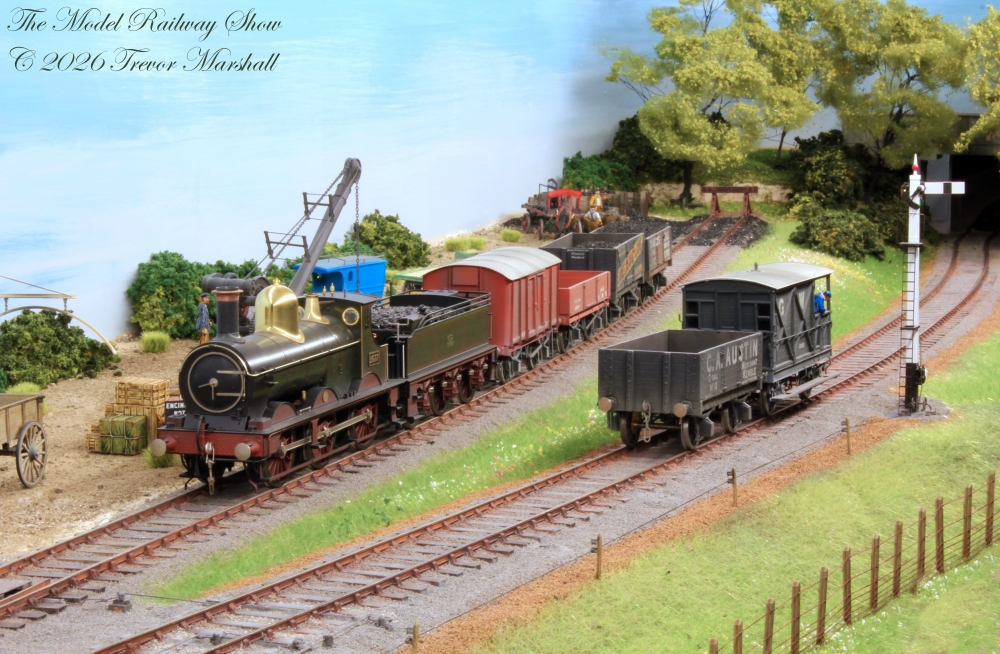
Finally, recognize that despite best efforts, operator error is still likely to cause derailments. There’s nothing worse for a guest than having a train derail and take a fatal plunge to the layout room floor.
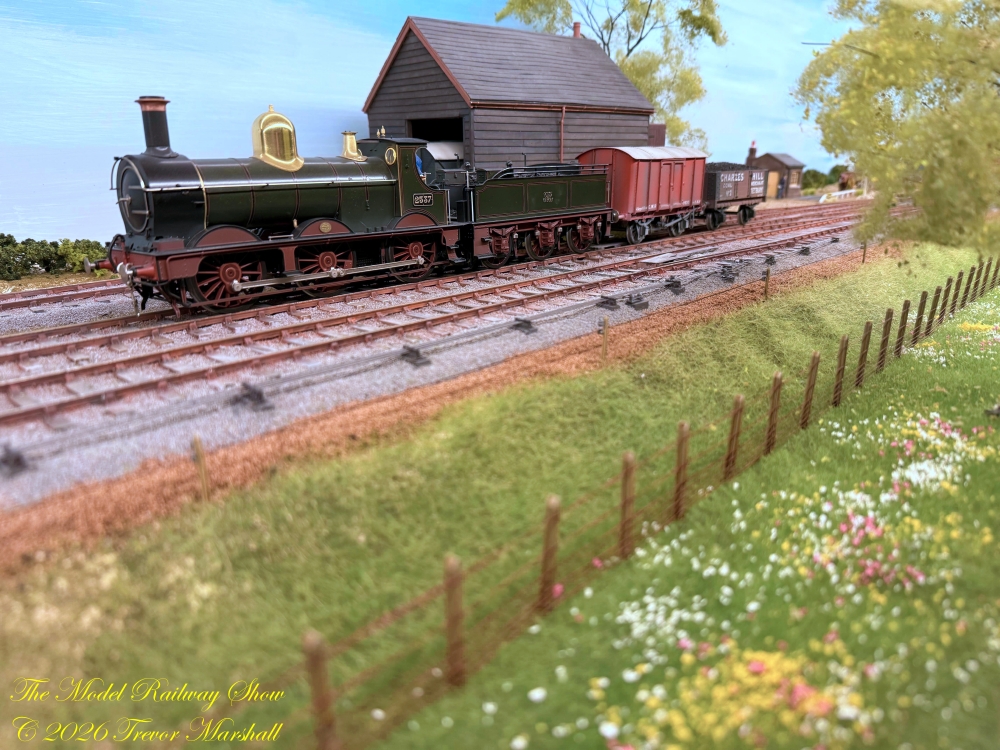
So give your visitors a break: As soon as you have achieved zero derailments due to mechanical issues, add some terrain around the track so any derailments that do happen stay on the layout.
 The Model Railway Show