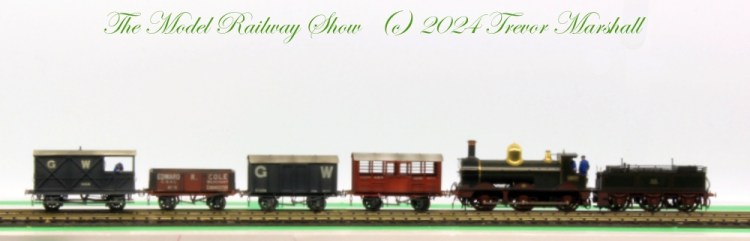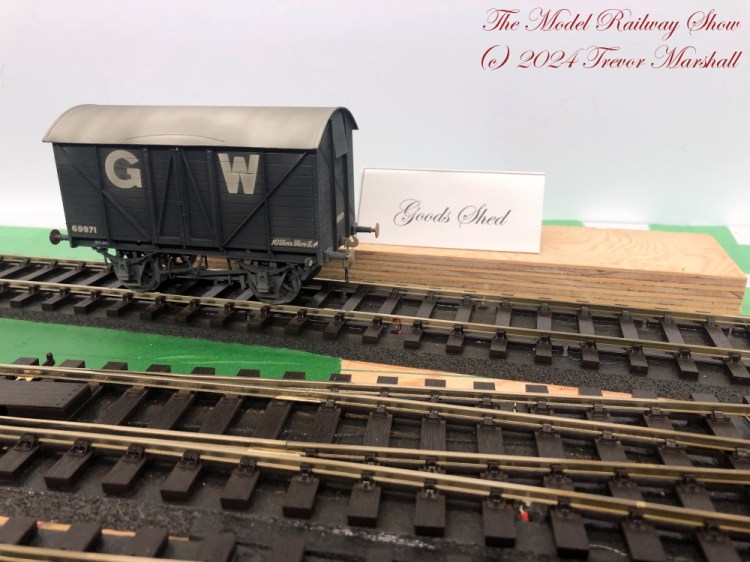
I have been running tests on Bydemill for a couple of weeks now but as I prepared for last Friday’s first formal operating session I decided I needed to create some form of goods wagon forwarding system.
In addition to giving my friends something to reference as we ran a goods train, a solution based on prototype paperwork would also help bring the layout to life. What’s more, it would emphasize yet another difference between the Edwardian era Great Western Railway and the transition-era North American railroading that’s more familiar to most people I know in the hobby.
Fortunately, when it comes to adapting prototype paperwork to a layout, this is not my first rodeo.
As recounted elsewhere, I used simplified versions of prototype paperwork for freight car forwarding on my Port Rowan S scale layout. That worked well for me, so I decided to do something similar.
I asked friends and did some research into how the GWR handled goods wagons.
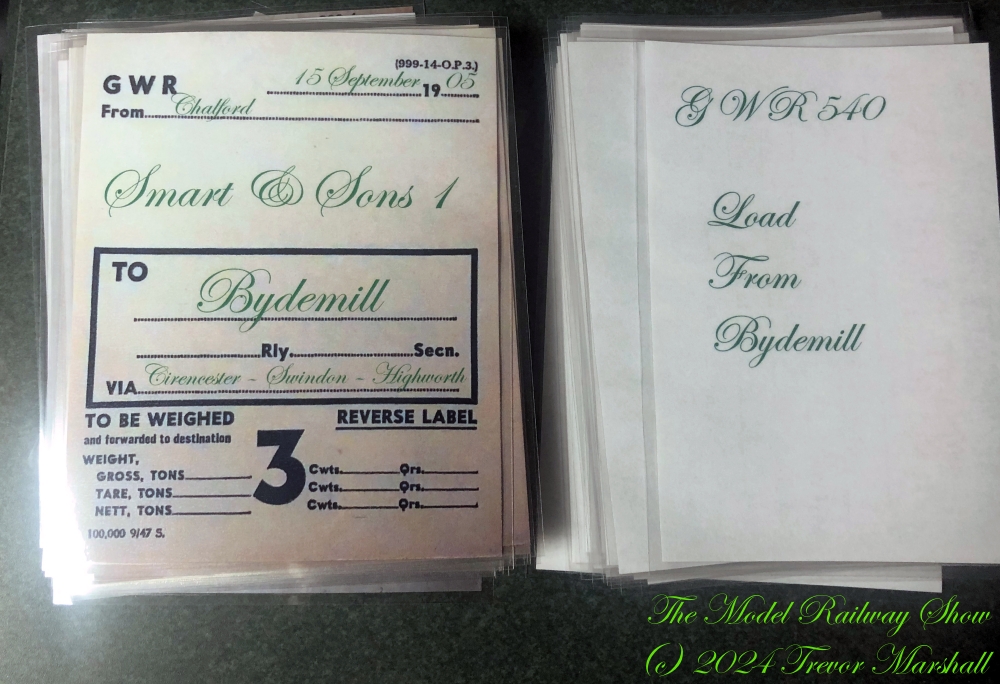
From this, I determined that using GWR Wagon Tags would provide a workable system. These were slotted into tag holders on each wagon and provided basic information about where it was headed.
Some searches online turned up some wagon tag blanks. In addition to general services, I found paperwork for specific commodities such as livestock and market produce. I collected several examples, which I then cleaned up in a photo editing program and filled in for each wagon. I ensured I made up tags to get each wagon onto the layout, and corresponding tags to get each wagon off again.
To make it easy for me to keep these tags organized, I added simplified information on the back of each one – providing just the road name, number, and destination for the tag. As with my waybill system for Port Rowan, I ran the finished tags through a laminator to protect them.
Managing wagons on Bydemill is different from freight car forwarding on Port Rowan in many respects. Notably, I’m less concerned about specific customers and final destinations, as almost all loads – in or out – are moving between Bydemill and one of a handful of large sheds on the GWR network.
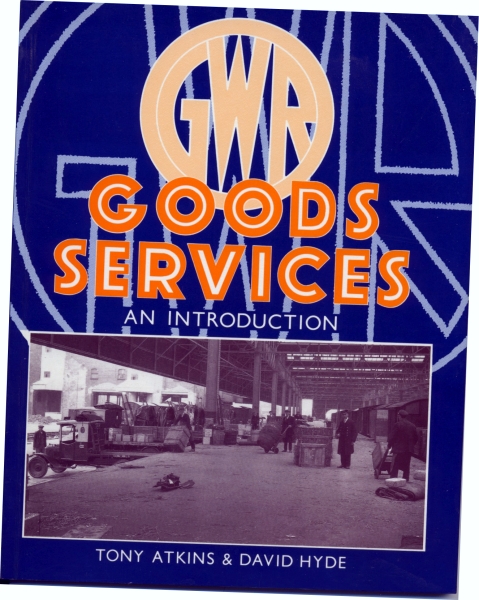
Referring to my book on GWR Goods Services, I determined the closest major depot was in Bristol Temple Meads, so it became the source or destination for most traffic. But I also assigned traffic to and from Paddington, Reading, and Exeter.
Finally, the Highworth branch that inspired my layout originated at Swindon, site of a major GWR erecting shop, so I based some non-revenue equipment there as well.
For most on-layout destinations, the word “Bydemill” is good enough. Some wagons had only a single logical on-layout destination – for example, a cattle truck would naturally go to the cattle dock – so their tags didn’t need any more explanation.
Others – general service wagons such as enclosed vans and opens – might have multiple possible destinations depending on contents. For these, I used “Bydemill” for the Goods Yard and something more descriptive for other locations. For eample, a van might have “Bydemill – Shed” on its tag if it was to be spotted at the Goods Shed.
I’m told that in reality, a station employee would probably have told the crew where to place wagons, but with my tags I’m assuming that’s already happened and the crew has made notes. The important thing is, the tags provided my friends with the information they needed to spot the wagons in the proper places.
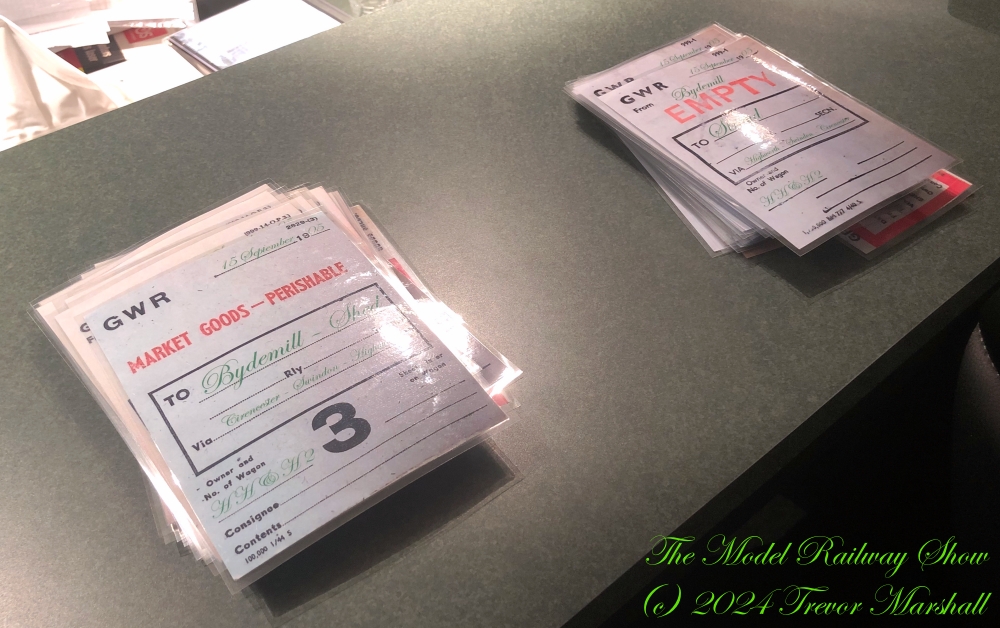
Is this system prototypically faithful? Definitely not.
Does it need tweaking? Probably.
But as a means to get a first session underway, I think it worked very well and was different enough from more familiar North American waybills that it provided a nice reminder of the differences between how goods were moved on rails on either side of The Pond.
I call that a success!